 Steam
SteamLore
The Five Guilds
The factions are not nations and they are not armies. They are guilds — five trades, each complete in itself, each perfectly capable of surviving without the others. What they cannot do without each other is prosper: there is always something across the border worth having, and pride keeps any guild from asking for it directly. That is where the brokers come in: living treaties, one per pairing, each holding open a trade that would otherwise curdle into feud. Guild leaders stand at the head of each trade.
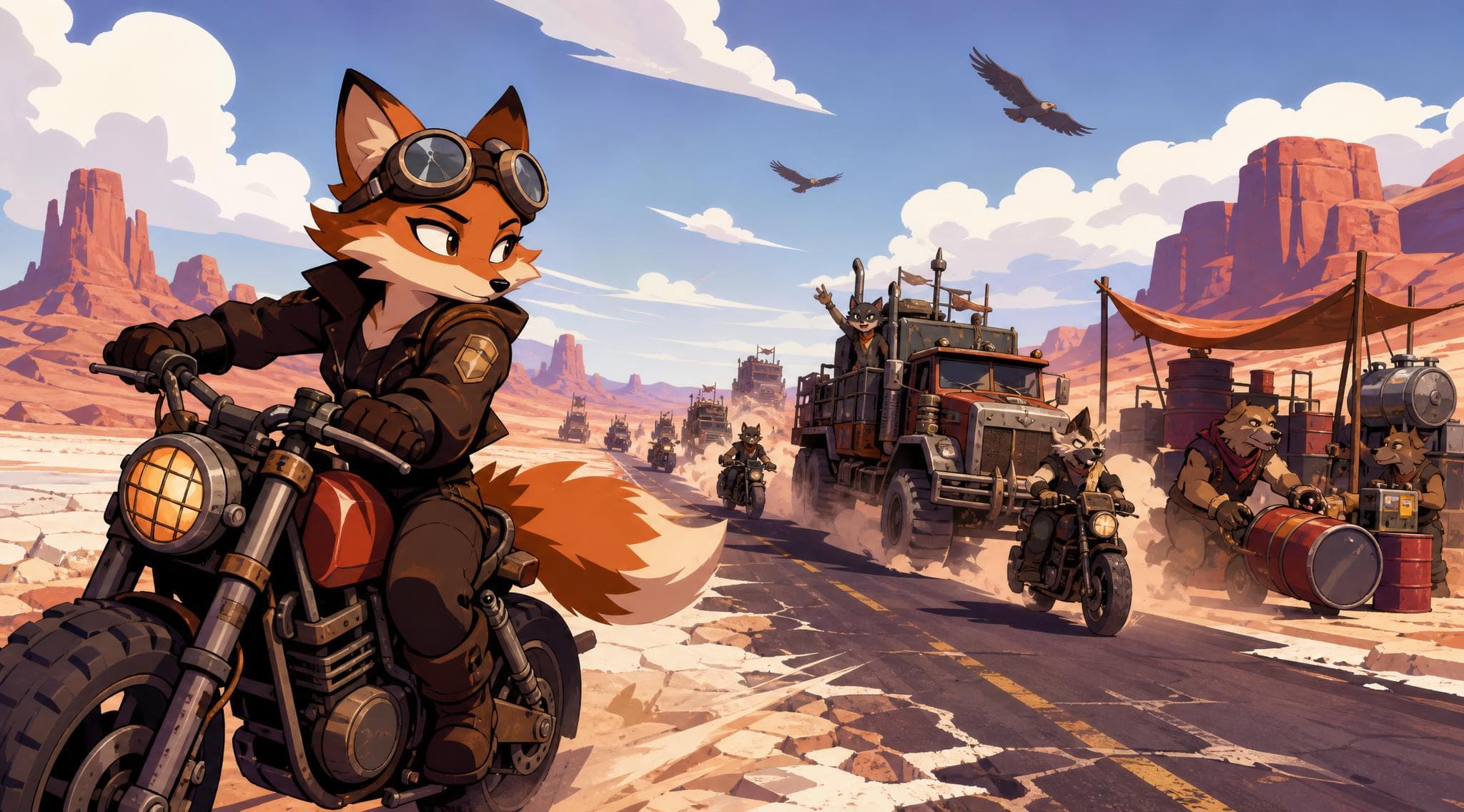
The road guild
The Quick
Drivers, couriers, escort riders, and grease-stained hustlers — foxes, cats, dogs, and sharp-eyed birds who live between destinations and die with the engine running. They own no territory; they own the routes, and in a world where every guild's goods must move, that makes them indispensable and universally resented. Their culture is garage-floor pragmatism: a debt is paid, a race is sacred, a stalled convoy is a corpse that hasn't noticed yet.
Their struggle
Speed spends itself. Fuel burns, tires bald, reflexes dull, and the road doesn't care how fast you used to be. Everything the Quick own is momentum, and momentum is the one thing that can't be saved for later.
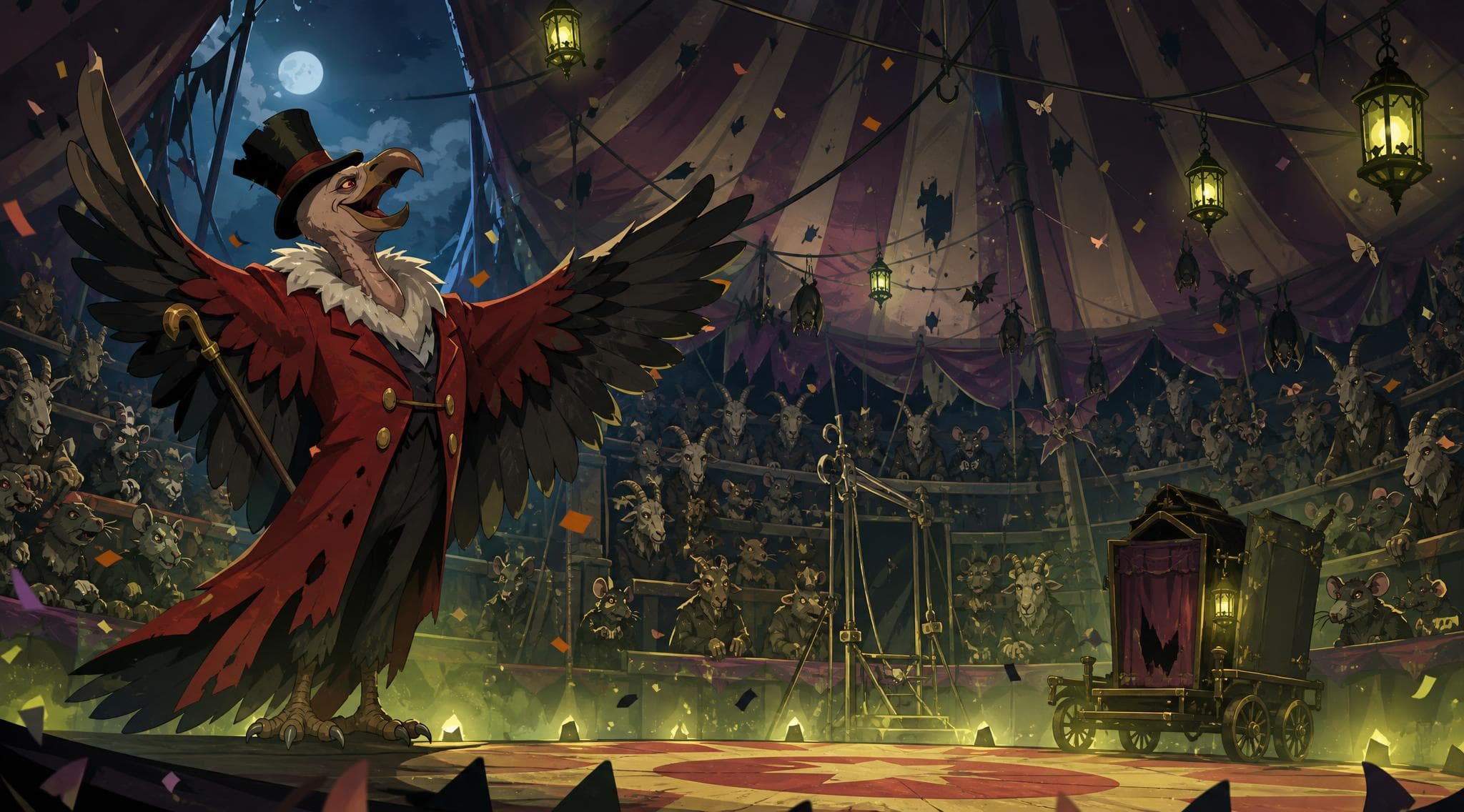
The death guild
The Fallen
A necromancer-scrapper cult that took over the one trade nobody else wanted — the dead — and built an entire economy on it: funerals, salvage rights, estate clearance, and the quiet ongoing employment of the deceased themselves. Vultures, bats, rats, goats, ravens, owls, and patient spiders. And because a funeral is, when you squint, a show, the guild grew a second face: the carnival. Ringmasters, conjurers, and stagehands travel the circuit turning wakes into performances and performances into recruitment — the big tent goes up, the dead take their curtain call, and the crowd is never entirely sure how much of the act was an act.
Their struggle
Rot is the true enemy. A body only holds a voice for so long, and the arithmetic worsens every generation — the ancestors multiply, the living hands dwindle, and somebody has to keep the whole congregation in working order.
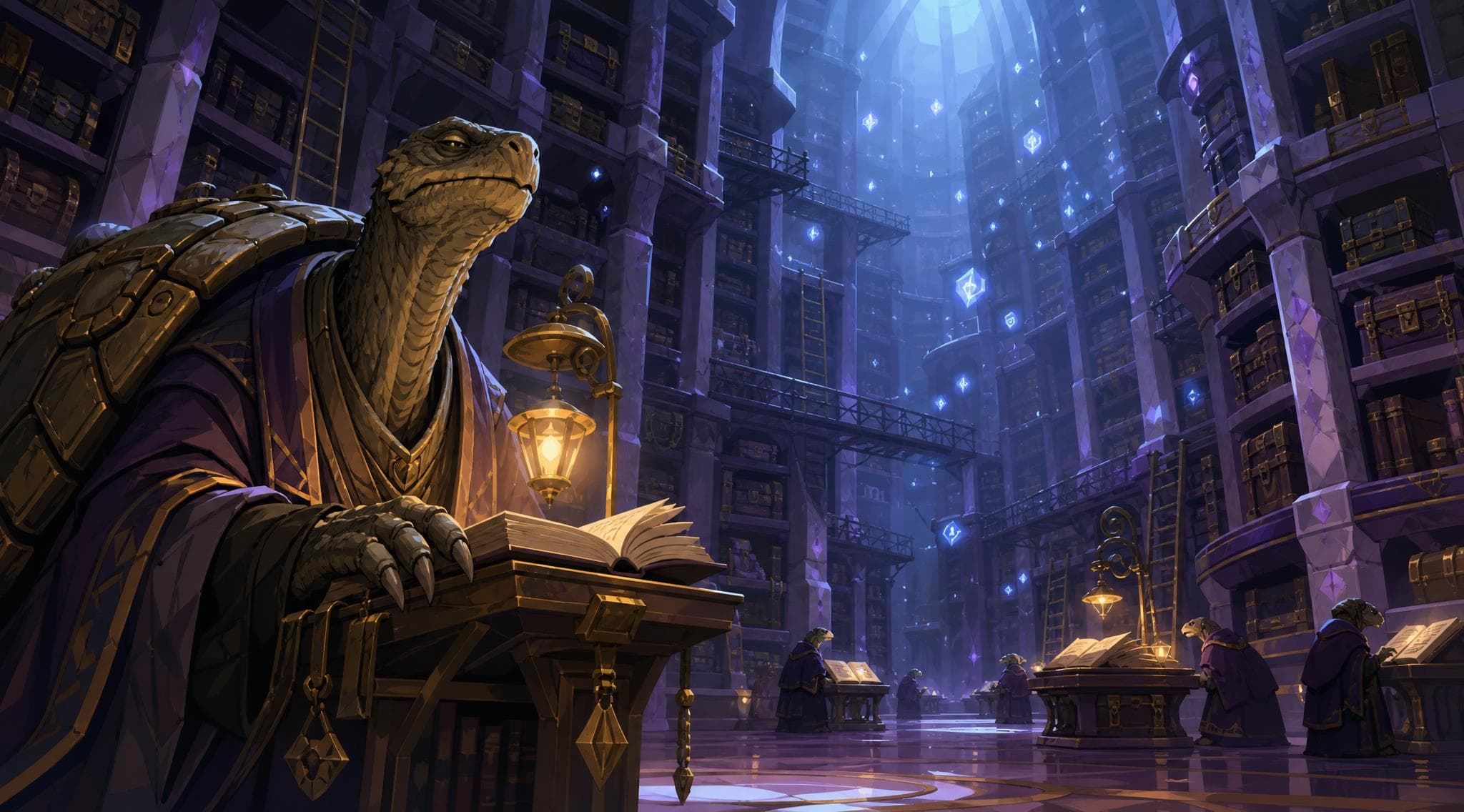
The keeping guild
The Wise
Not academics — occultists. An arcane-tech order of owls, turtles, and crystal-grown things who guard knowledge specifically because it is dangerous, in vaults of pale violet quartz and brass. They are the world's memory and its quarantine: every weapon too terrible to use, every truth too heavy to publish, sits in their keeping under seal and watch — and they have been defending it, by force when required, for as long as anyone has coveted it. The order cannot procreate: no eggs, no heirs, no next generation. Every keeper is irreplaceable, so every keeper is maintained — lives extended artificially, decade over decade, with crystal grafts, brass organs, and rites drawn from the very hoard they guard.
Their struggle
Knowledge wants out, and the guard cannot be replenished. Everything they keep grows more dangerous the longer it's kept, every seal has a lifespan, and each keeper lost is a keeper gone forever — so the Wise pour ever more of their forbidden craft into simply not dying, becoming, one graft at a time, artifacts of their own collection.
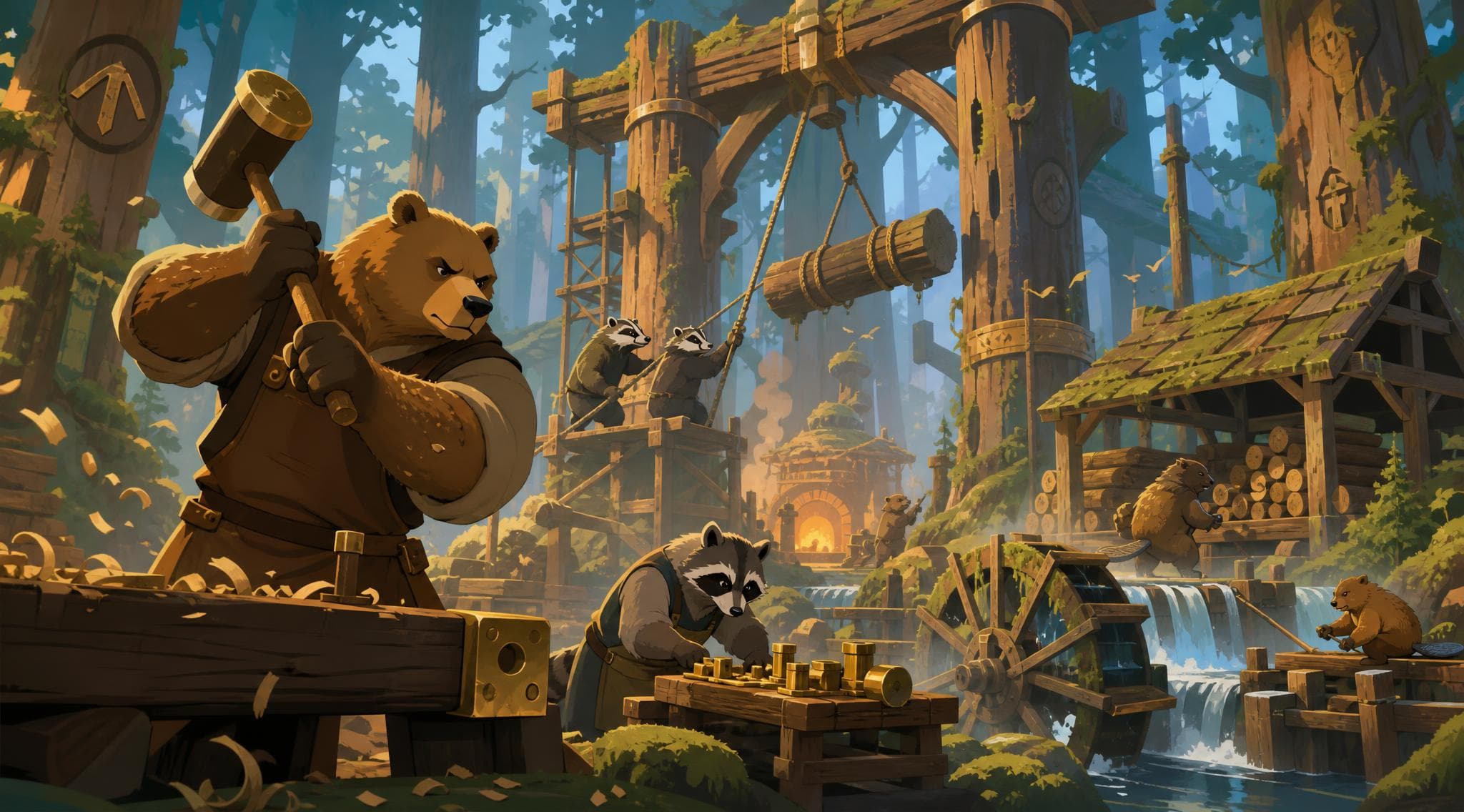
The making guild
The Strong
Grove-and-brass craftfolk — bears, beavers, raccoons, badgers — who grow their materials as slowly as they work them. Timber cured for a decade, brass poured on the new moon, work that is meant to outlast its maker. Their halls are half workshop, half shrine; their masters are folk legends, and their maker's marks are worth more than most guilds' currencies. Above all they are keepers of a way of life: the old methods, the old oaths, the grove your grandmother planted for tools you will never live to carve.
Their struggle
The world is changing faster than the grove can grow. Engines replace draft teams, conjured trinkets undercut honest brass, and every apprentice who leaves for the roads or the auction floors takes a piece of the old ways with them. The Strong aren't fighting to win the future — they're fighting to keep their roots in the ground while it arrives.
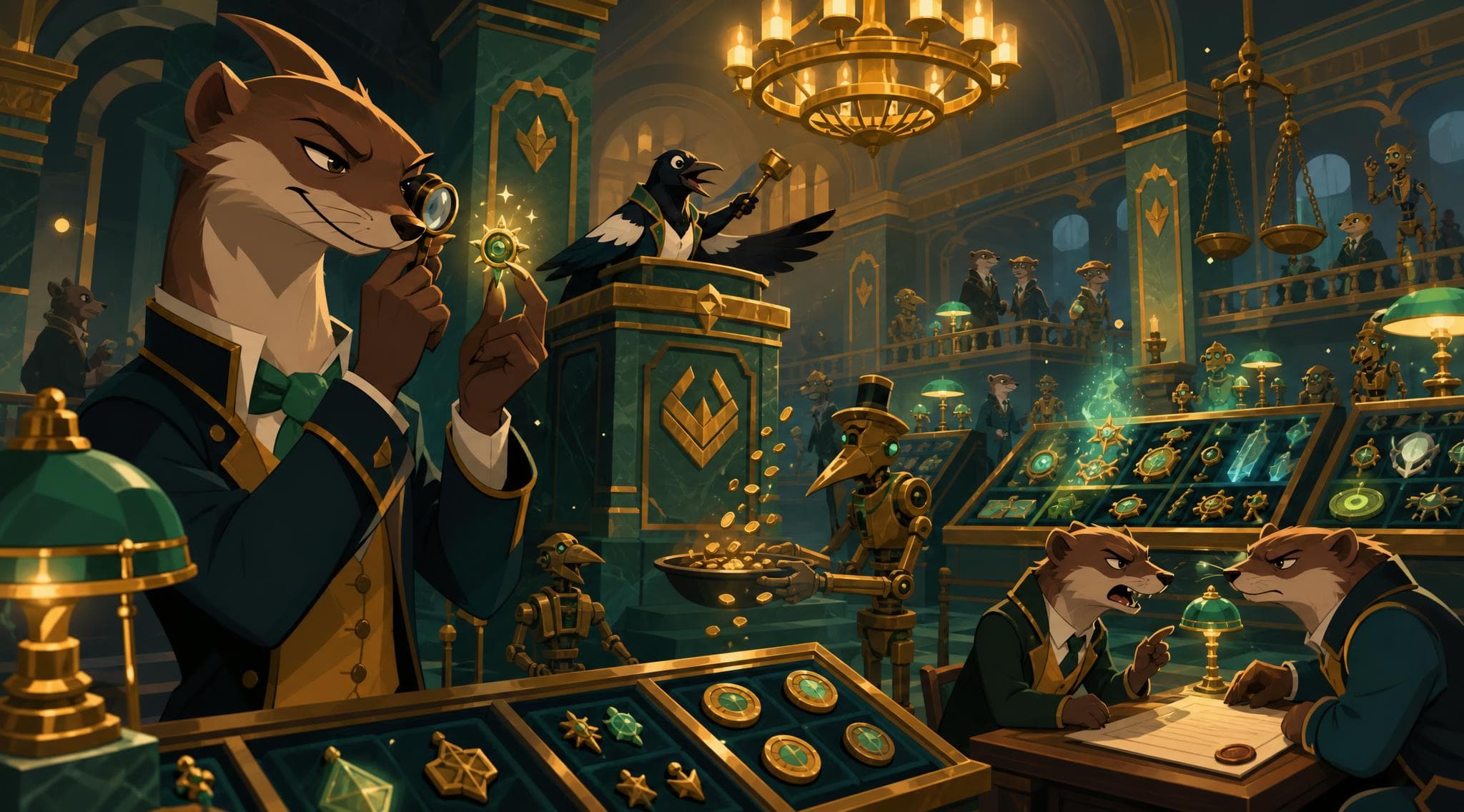
The money guild
The Gilded
Buyers and sellers of elite tech — weasels, magpies, and gleaming constructs running auction houses, appraisal desks, and a private mint, all with a perfectly straight face. They manufacture nothing and own everything, dealing in charms, sigils, and conjured goods, a suspicious fraction of which are counterfeit. Their palette is cold gold and verdigris; their handshake is a contract; their contracts have appendices.
Their struggle
Their whole economy rests on the difference between genuine and fake — and the Gilded are the only ones who can tell. As their own forgeries improve, that margin narrows, and the day the guild can no longer authenticate its own inventory is the day gold becomes yellow rock.